As a Sydney-based corporate events producer with over 11 years in the trenches—from intimate government roundtables at Barangaroo to sprawling, multi-day conferences at the ICC—I’ve seen every type of media crew. If there is one thing I’ve learned, it’s that the difference between "just filming" and capturing a powerful narrative lies in the prep work. If you are asking, “Can they film event vox pops?” the short answer is yes. The long answer is: only if you have the right team who understands the cadence of a corporate event.
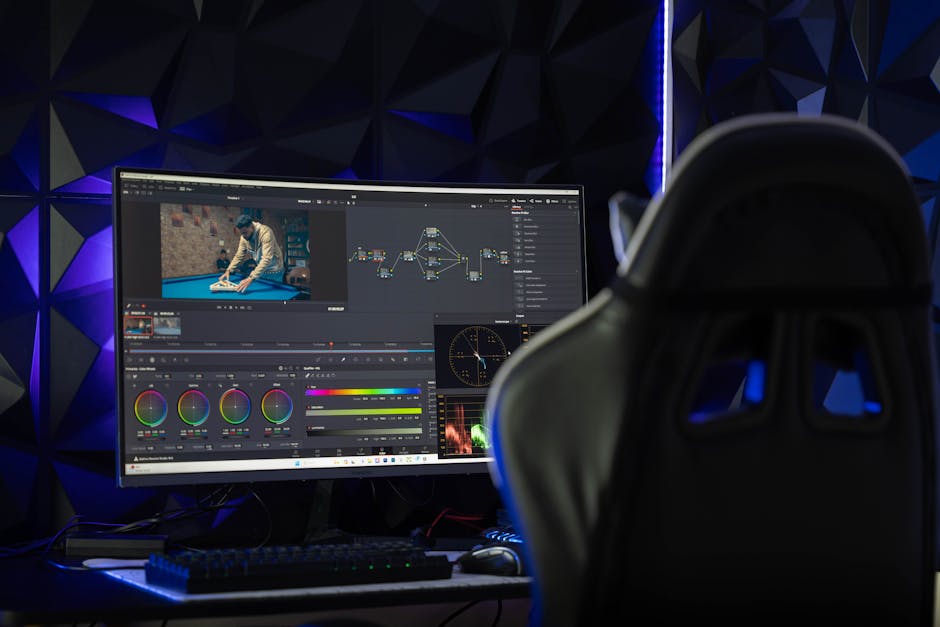
Whether you are looking for on site interviews to capture delegate sentiment or a high-energy conference video for your end-of-year wrap, the production quality is only as good as the process behind it. Here is how I navigate the world of Sydney corporate media production, and what you should look for before you sign the contract.
The Value of Vox Pops in Corporate Storytelling
Vox pops (voice of the people) are the "secret sauce" of event content. They provide the human element that slick B-roll and PowerPoint slides simply cannot replicate. When a keynote speaker finishes, having a attendee articulate exactly why that session changed their perspective is gold for your marketing department.
However, getting these right requires more than just a camera and a microphone. It requires a hybrid photo and video approach where the media team understands the flow of your https://www.neonmarketplace.nsw.gov.au/organisation/haymarket-precinct/orlando-sydney-corporate-photography event. They need to be agile enough to switch between capturing a spontaneous moment and setting up a professional audio-visual interview station in a high-traffic lobby.
The Producer’s Essential Vox Pop Checklist
Before any event kicks off, I always run through this checklist with my production partners:
- VIP Identification: Who are the speakers, board members, or high-profile guests we absolutely need soundbites from? The "Reaction" Shot: Are we capturing the audience's faces during the big reveal? Location Mapping: Where is the quietest spot near the main stage? (We need to label these by venue and session time to avoid audio bleed). Release Forms: Are we using digital waivers? Always ensure these are pre-signed to prevent clearance issues later.
Why "In-House" Editing and Local Chain of Control Matters
One of my biggest professional pet peeves is the "black box" of post-production. You hire a local Sydney crew, you love their work, and then they ship the raw footage overseas for editing. Suddenly, the vision is lost, the music choice is off-brand, and you have no idea who has access to your sensitive intellectual property.
When searching for video services, I insist on knowing the chain of control. Where are the files being edited? Who is doing the color grading? If the editing is offshored without clear communication, your brand guidelines are often the first thing to be ignored.
For high-stakes government or corporate work, I prioritize teams that maintain 100% in-house editing. This ensures that when a stakeholder asks for a minor tweak to a testimonial—perhaps a specific phrase needs to be cut for privacy reasons—the editor knows the context and can execute it immediately.
Comparing Media Partners: What to Look For
Not all providers are created equal. Avoid those who oversell their 6K cinema cameras but have no plan for how they will deliver your web-ready files by the deadline. Here is a breakdown of what you should compare:
Feature Top-Tier Provider The "Overseller" Turnaround Promise Agreed SLA with milestones Vague promises of "fast turnaround" Editing Location Local, in-house team Offshored with no visibility Equipment Focus Outcome-driven (light/audio first) Spec-obsessed (sensor size/lens talk) Data Security Secure, localized cloud storage External/Public file sharingThe Hybrid Approach: Integrating Event Photography and Videography
Often, I see clients hire a photographer and a videographer as two separate entities who don't talk to each other. This is a recipe for disaster. You end up with a videographer bumping into your photographer mid-shot, or both of them fighting for the best angle of the same keynote speaker.
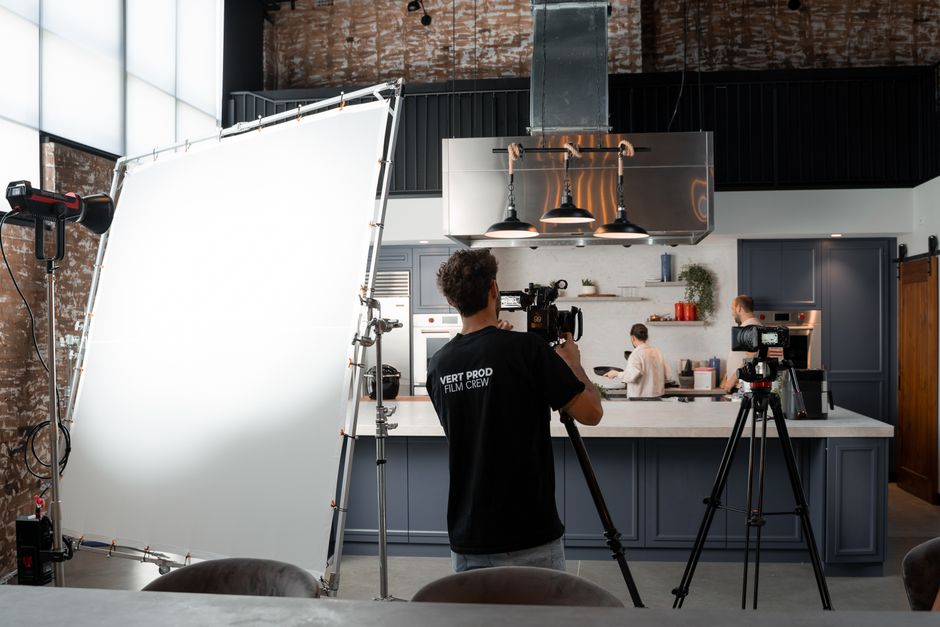
This is where a hybrid photo and video approach becomes essential. When your media team works as a single unit, they understand how to coordinate movement. They share the same production schedule, ensuring that the event photography team isn't capturing flashes during a critical video interview.
The Production Logistics: Sydney Venue Management
Sydney is a unique beast. Dealing with the logistics of venues like the ICC Sydney, the Sofitel Wentworth, or the Luna Park Big Top requires a specific type of media partner. They need to know the loading docks, the power requirements, and the "no-go" zones for tripods.
When I label my media runs, I use a specific format: [Venue Name]_[Session Time]_[Media Type]. This ensures that when I need to find the vox pop from the morning tea session in the Harbour Room, I don’t have to sift through six terabytes of unsorted footage. If your production crew isn't providing you with a neat, organized file structure at the end of the day, they are costing you money in administrative time.
Final Thoughts: Avoiding the "Vague Promise" Trap
If you are planning your next conference, don't be afraid to ask the tough questions. Don't settle for "we’ll get it done." Ask them:
- "Where will the files be edited and stored?" "What is your protocol if an interview subject has a privacy concern after the fact?" "How do you ensure you don't miss the key reaction shots when the CEO announces the new strategy?"
At the end of the day, you are the producer. You own the narrative. You need a partner who views their cameras, lights, and microphones as tools to tell your story, not just toys to show off their gear. Choose a team that respects the process, values privacy, and treats your event footage with the same professional rigor you put into the planning of the event itself.
If you need advice on sourcing the right team for your next Sydney initiative, look for those who are outcome-oriented and transparent about their post-production chain. Your event’s legacy depends on it.