If you have a Florida homeowners insurance policy, your hurricane deductible may be a percentage of your dwelling coverage—not a flat dollar amount. That distinction can turn a number that looks small on your declarations page into a five-figure bill after a storm.
The calculation itself is simple: multiply your dwelling coverage amount by the hurricane deductible percentage shown in your policy. The harder part is understanding when that deductible applies, what it does not cover, and how you would pay it while repairs are underway.
The basic hurricane deductible calculation
Your dwelling coverage amount, often labeled Coverage A, is the policy limit for the home’s physical structure. A percentage-based hurricane deductible is calculated from that amount—not from the estimated repair bill, your home’s market value, or the amount of your mortgage.
Formula:
Dwelling coverage amount × hurricane deductible percentage = hurricane deductible
For example, if Coverage A is $400,000 and your hurricane deductible is 2%, the calculation is:
$400,000 × 0.02 = $8,000
That means you are generally responsible for the first $8,000 of covered hurricane damage, subject to your policy’s terms. If the percentage is 5%, the deductible would be $20,000. At 10%, it would be $40,000.
Common hurricane deductible options: 2%, 5%, 10%
Florida policies commonly show hurricane deductible options such as 2%, 5%, or 10%. The options available to you can depend on the insurer, your home, and the policy. A lower percentage usually means a lower deductible but may come with a higher premium. A higher percentage can reduce the premium while increasing the amount you may need to pay after a storm.
Dwelling coverage (Coverage A) 2% deductible 5% deductible 10% deductible $250,000 $5,000 $12,500 $25,000 $400,000 $8,000 $20,000 $40,000 $600,000 $12,000 $30,000 $60,000These figures show why a hurricane deductible percentage deserves a close look. A 5% deductible on a $600,000 dwelling limit is $30,000. That can be a substantial cash gap even when the insurer ultimately approves a large claim.
Where to find your deductible and Coverage A
Start with the declarations page, usually near the front of your homeowners policy. Look for “Dwelling,” “Coverage A,” or “A — Dwelling,” then find the hurricane deductible. The deductible may appear as a percentage, a dollar figure, or both.
Next, read the policy language that explains how the deductible works. The declarations page is a useful summary, but the full contract defines terms such as “hurricane,” “windstorm,” and the time period during which the deductible applies. If the wording is unclear, ask your insurance agent or insurer to explain it in writing.
Do not confuse your hurricane deductible with other deductibles. Your policy may have a separate all-other-perils deductible, windstorm deductible, or water-damage deductible. Which one applies depends on the cause of damage and the policy’s definitions. For example, damage from wind-driven rain, flooding, or a storm surge may be treated differently under different coverages. Standard homeowners insurance generally does not cover flood damage; separate flood insurance may be needed.
What the deductible means for an actual claim
A deductible is the portion of a covered loss you pay before the insurer pays the covered amount above it. It is not an extra fee that the insurer automatically charges, and it does not mean the company will pay every repair cost above that number. Coverage limits, exclusions, claim estimates, depreciation, and policy conditions still matter.
Suppose a covered hurricane causes $70,000 in approved dwelling damage and your hurricane deductible is $20,000. In a simplified example, the insurer’s payment would be $50,000 before considering other policy terms, limits, depreciation, or adjustments. If approved covered damage is only $15,000, you may receive no payment for that portion because it falls below the deductible.
Some policies apply the hurricane deductible once per calendar year, but you should not assume that without checking your contract. How the deductible applies can depend on the policy wording and the circumstances of the loss. If a storm causes damage in stages or you have more than one claim, ask the insurer how it will apply the deductible.
Why the cash gap can be bigger than the deductible
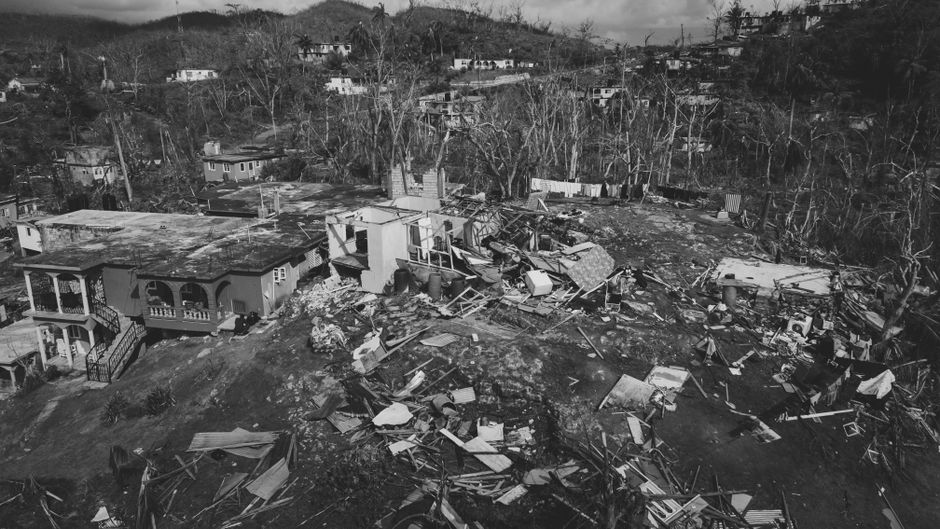
The deductible is only one part of the money you may need to manage. After a major storm, homeowners can face expenses before a claim is fully evaluated or paid. Emergency tarping, tree removal, temporary lodging, debris handling, and initial repairs may need prompt attention. Some costs may be covered, partly covered, or excluded, depending on the policy and facts.
There can also be a timing gap between paying contractors and receiving insurance funds. A claim may require inspections, documentation, estimates, and follow-up before the insurer determines the covered amount. If the settlement is based on replacement cost, the policy may initially pay actual cash value and release some recoverable depreciation after repairs are completed and documented. The exact process varies by policy.
That is how a deductible can create a five-figure cash gap—and why the real post-storm cash need may exceed the deductible itself. A household with a $25,000 deductible might also need funds for immediate mitigation, temporary living costs, or repairs that fall outside coverage. Build your plan around the policy and your household’s finances, not just the deductible line.
Why borrowing can be harder after a disaster
It is risky to assume you can arrange new credit after a hurricane. Banks and lenders may have delays, tighter requirements, or limited service in affected areas. A home equity line of credit (HELOC) can take time to apply for and approve. A lender may also pause applications or restrict access to a line when a property’s value or condition is uncertain after a disaster.
Credit-card limits, personal loans, and contractor financing are not guaranteed solutions either. They can carry high costs or require approval at a time when you are already handling repairs, displacement, and claim paperwork. Consider credit a possible backup—not the foundation of your hurricane plan.
Planning for the deductible before storm season
Confirm your numbers. Write down your Coverage A amount, hurricane deductible percentage, and the resulting dollar figure. Compare policy options. Ask your agent what lower-deductible choices are available and how the premium changes. Compare the annual premium difference with the extra amount you would owe under a higher deductible. Set a dedicated reserve. Keep accessible savings for the deductible and likely emergency costs. Consider where the money is held and how quickly you can reach it during a regional disruption. Review related coverage. Check dwelling limits, additional living expense coverage, exclusions, and whether you need separate flood insurance. Keep records accessible. Store your declarations page, policy, home inventory, receipts, and insurer contact details somewhere you can reach even if you cannot get home.If you are weighing https://bizzmarkblog.com/whats-the-biggest-mistake-people-make-with-hurricane-deductibles-in-miami/ a higher deductible to reduce your premium, be honest about whether you could roof repair deductible pay it without relying on a fast loan. A premium savings of a few hundred dollars a year may not be worth taking on a deductible you could not comfortably fund.
Other sources of liquidity: understand the trade-offs
Some households consider assets beyond cash when planning for an emergency. For example, a collateral loan is a loan with an asset—such as a watch—held as security. Companies such as Diamond Banc offer loans secured by luxury assets. That is different from an insurance payout or an emergency fund: repayment terms, fees, valuation, and the risk of losing the pledged asset matter. Read the loan agreement carefully and compare the total cost with other options.
Secondary market pricing trackers, including WatchCharts, can help someone research indicative prices for certain watches. These tools are not a guarantee of what a lender will offer, how quickly an item can be sold, or what it will fetch after a disaster. A tracker’s estimate is not the same as cash in hand.
Likewise, a financial institution such as Morgan Stanley may provide investment or wealth-management services, but investments are not necessarily immediate or risk-free emergency funds. Values can change, transactions can take time, and selling assets may have tax or other consequences. Do not assume a particular firm or product will be available or appropriate for hurricane expenses.
A quick example to use with your own policy
Suppose your Florida homeowners insurance declarations page lists $475,000 in dwelling coverage and a 5% hurricane deductible.
- Coverage A: $475,000 Deductible percentage: 5% (0.05) Calculation: $475,000 × 0.05 Estimated hurricane deductible: $23,750
Use that $23,750 as a starting point for your cash plan, not as a forecast of the insurer’s final payment. The claim amount, covered causes of loss, policy limits, and settlement terms determine what the insurer pays. If the declarations page or policy wording seems inconsistent, ask the insurer to clarify the applicable deductible before a storm.
Bottom line
To calculate your Florida hurricane deductible, multiply the hurricane deductible percentage by your dwelling coverage amount. A 2%, 5%, or 10% selection can translate into thousands—or tens of thousands—of dollars. Check the declarations page, verify the rules in your policy, and plan for the possibility that repairs and emergency expenses will require cash before claim funds arrive.
Preparing that money ahead of time is more reliable than counting on a HELOC, new credit, or quick asset sale after a disaster, when lenders, contractors, and financial services may all be under pressure.