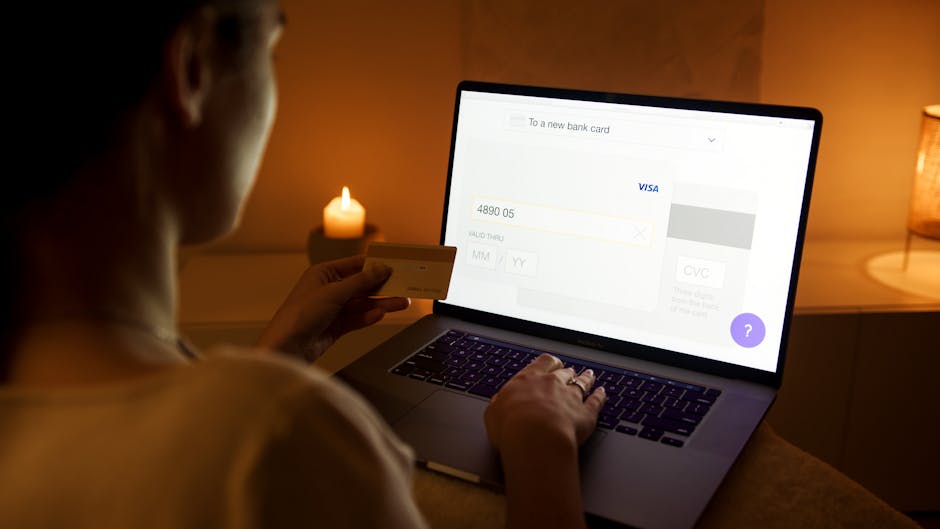
If you’ve recently noticed more “extra verification” steps when paying online, https://matzav.com/the-evolution-of-alternative-payment-methods-in-the-digital-economy/ you’re not imagining it. Payment sites nowadays often request additional authentication checks that weren’t there before. This sudden uptick can feel frustrating—especially when you’re just trying to buy your favorite games on MrQ or complete a straightforward bank transfer.
In this post, we’ll break down why payment verification is evolving rapidly, uncover the driving forces behind these new authentication hurdles, and explain how digital wallets, bank transfer technologies, and fraud prevention measures are reshaping how you pay online.
The Shifting Landscape: Cash Decline and Digital-First Commerce
The first reason for increased verification requests is plain: people are moving away from cash and physical cards toward digital-first commerce. UK Finance reports a steady drop in cash usage, with more consumers and merchants opting for contactless payments, digital wallets, and open banking options. The pandemic further accelerated this trend, making touch-free payments the new normal.
Why does this matter? Less cash means more authentication is needed online, because digital transactions are easier to fake without physical presence. Payment providers must add layers of security to prevent fraud, leading to extra verification steps that interrupt checkout flows but protect your money in the long run.
Cards Remain Important, But No Longer The Only Default
For decades, debit and credit cards were the go-to online payment methods. Today, however, cards are only part of a broader ecosystem. Digital wallets like Apple Pay, Google Pay, and PayPal have surged in popularity, allowing buyers to authenticate flows with biometrics or saved credentials.
Similarly, bank transfer technologies, especially those leveraging open banking standards, let shoppers pay directly from their bank accounts without card details. These payment alternatives have unique risk profiles and require different authentication mechanisms, contributing to the sometimes surprising “extra checks” you see.
Fraud Prevention and Growing Authentication Checks
Fraudsters constantly adapt, exploiting gaps in online payments. To keep up, payment providers are implementing stricter authentication checks as a proactive fraud prevention tactic.
- 3D Secure and Multi-Factor Authentication: Many card payment sites now use 3D Secure protocols, asking shoppers to confirm their identity via a code sent by their bank or biometric verification. Behavioral Analysis: Background algorithms scan device info, IP address, and purchase patterns to detect suspicious transactions. If something seems off, extra verification is triggered. Google reCAPTCHA and Bot Detection: Tools like Google reCAPTCHA help distinguish humans from bots attempting fraudulent payments or automated scraping of payment pages.
These safeguards, while sometimes adding friction, help protect your financial data, merchants’ revenue, and reduce chargebacks. The growing use of these tools was highlighted in recent UK Finance reports on payment authentication trends.
Popular Payment Technologies and Their Impact on Verification
Digital Wallets: Convenience Meets Security
Digital wallets store your card or bank details securely and let you complete payments swiftly without typing long card numbers. Because wallets often require biometric confirmation (like a fingerprint or Face ID), they can streamline authentication.
However, not all digital wallets are equal, and sometimes the wallet provider requires additional checks, especially for new devices, large transactions, or unusual spending patterns. This can explain when an otherwise smooth checkout with Apple Pay or Google Pay suddenly asks for “extra verification.”
Bank Transfer Technologies and Open Banking
Open banking has unlocked direct bank-to-merchant payments using APIs validated by your bank. These payments bypass cards but still need your explicit approval, often through your banking app’s secure login or two-factor authorization.
While this method is secure and increasingly popular, the “extra verification” you encounter isn’t a glitch—it’s your bank ensuring you confirm each payment, preventing unauthorized transfers. For merchants and customers, this means fewer disputes and safer transactions overall.
Common Mistakes and What Payment Sites Don’t Tell You
One frequent pain point shoppers mention is the lack of transparency around why an extra check is necessary or what limits trigger it.

- No Clear Prices or Fees Explained: Sometimes payment sites or forums don’t include essential info like what transaction amounts require verification or if there are any extra fees related to authentication. This omission causes confusion and distrust. No Exact Transaction Limits Provided: Without clear limits, consumers don’t know when they’ll be prompted for further checks, leaving them unprepared.
Merchants like MrQ, which provide gaming and wagering options, must handle these pain points carefully. Clear communication about verification steps, fees, and transaction thresholds improves customer trust and reduces abandoned checkouts.
Looking Ahead: What to Expect From Payment Verification
With the UK Finance guidelines tightening and technologies like Google reCAPTCHA becoming standard, expect payment verification to remain a prominent checkpoint during online purchases. But there’s hope for smoother experiences too:
Adaptive Authentication: Smarter systems will differentiate between low-risk repeat customers and high-risk users, reducing unnecessary verification for trusted buyers. Simpler User Flows: Integrations with digital wallets and biometric authentication will become seamless, so “extra verification” translates into quick taps instead of multi-step forms. More Transparency: Merchants will begin sharing clear details on transaction limits and fees related to authentication, helping customers understand when and why checks occur.Final Thoughts
Extra verification at payment is no longer random or arbitrary. It’s a response to the cash decline, digital-first commerce, evolving payment methods, and the relentless fight against fraud. While increased authentication checks can add friction, they also safeguard your payments on trusted platforms like MrQ and beyond.
As a shopper, embracing secure technologies like digital wallets or open banking payments can reduce checkout friction. And as a merchant or platform operator, transparency around verification steps and fees is vital to building lasting consumer confidence.
Next time a payment site asks you to “verify your identity again,” know that the payment system is working hard behind the scenes to keep your money safe—while pushing digital commerce forward.